
Couples Sex Therapy Bristol
Couples sex therapy provides a safe and supportive space to understand what is getting in the way of intimacy and to help you rebuild closeness, confidence and connection.
As a UKCP-accredited psychotherapist and relationship counsellor, I help couples address both the emotional and practical factors that affect their sex life.
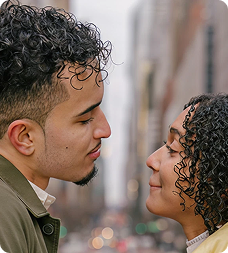
What Happens in Couples Sex Therapy?
The first step is understanding the difficulties you are experiencing and what may be contributing to them.
We explore:
- Your relationship history.
- Current relationship dynamics.
- Sexual concerns and goals.
- Anxiety, stress or confidence issues.
- Medical factors that may need consideration.
- Practical steps to improve intimacy.
There is no expectation that you discuss anything you are not comfortable sharing. Sessions move at a pace that feels safe and manageable for both partners.
Sex Therapy in Bristol and Online
I offer couples sex therapy in Bristol and online throughout the UK.
Sessions are suitable for couples experiencing:
- Erectile dysfunction (ED)
- Premature ejaculation
- Performance anxiety
- Low libido or low desire
- Mismatched sexual desire
- Sexless relationships
- Intimacy problems
- Sexual avoidance
- Difficulties after an affair
- Relationship and sexual communication problems


Why Emotional Connection Matters
Most sexual problems do not exist in isolation.
Arguments, criticism, resentment, emotional distance and unresolved hurts often find their way into the bedroom.
Many couples become stuck in a pattern where one partner pursues more affection, reassurance or sex while the other withdraws under pressure.
As an EFT (Emotionally Focused Therapy) relationship counsellor, I help couples understand these patterns and create greater emotional safety. As emotional connection improves, sexual intimacy often becomes easier and more natural.
At a glance
- 75 minute sessions
- In-person in Bristol or online via Zoom
- Weekly, Fortnightly or Intensive formats
What Problems Can Couples Sex Therapy Help With?
Erectile Dysfunction (ED)
Erectile difficulties can create anxiety, embarrassment and pressure for both partners. Many couples find themselves avoiding intimacy altogether because they fear disappointment or awkwardness.
Together we explore the emotional, relational and practical factors that may be contributing and help reduce the cycle of anxiety and performance pressure.


Premature or Rapid Ejaculation
Rapid ejaculation is one of the most common sexual difficulties affecting men. It can leave both partners feeling frustrated, disappointed or self-conscious.
Sex therapy can help reduce anxiety, increase confidence and develop a more relaxed and satisfying sexual relationship.
Performance Anxiety
Many men become trapped in a cycle of worrying about erections, sexual performance or pleasing their partner. The more pressure there is to perform, the more difficult intimacy can become.
Therapy helps break this cycle and create a more relaxed and connected sexual experience.
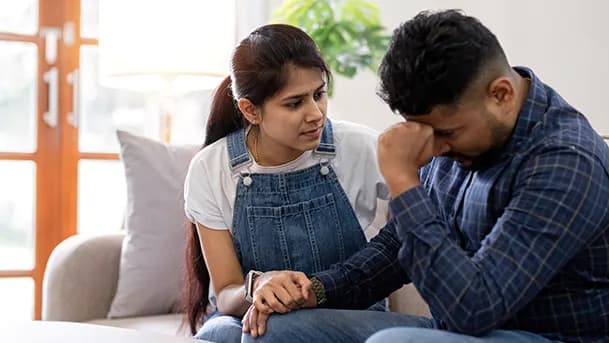
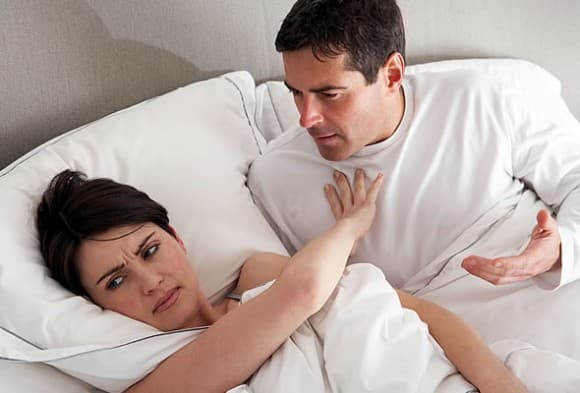
Low Sexual Desire
One of the most common reasons couples seek sex therapy is that one partner wants sex more often than the other.
When desire levels differ, couples often end up arguing about sex, avoiding the topic altogether or feeling rejected and misunderstood.
Together we explore the emotional and relationship patterns that may be contributing and help you find a way forward that works for both of you.
Sexless Relationships
Many couples find that sex gradually disappears from the relationship.
This can happen after children, affairs, stressful life events, health difficulties or years of unresolved conflict.
Sex therapy can help couples understand what has happened and rebuild intimacy step by step.


Intimacy Problems After an Affair
Trust and sexual intimacy are often deeply affected after infidelity.
The hurt partner may struggle to feel safe enough to be physically vulnerable, while the partner who had the affair may feel rejected, ashamed or unsure how to repair the damage.
Couples therapy can help rebuild trust, emotional safety and physical connection.
Take the First Step
What to Expect in the first session of Relationship counselling
Frequently Asked Questions About Couples Sex Therapy

What is Couples Sex Therapy?
Couples sex therapy helps partners understand and overcome difficulties affecting their sexual relationship. This may include erectile dysfunction, premature ejaculation, low desire, performance anxiety, intimacy problems, sexual avoidance and a lack of emotional connection.
Sex therapy is not simply about improving sexual techniques. It often involves understanding the emotional, relational and communication patterns that may be contributing to the problem.
Can Sex Therapy Help Erectile Dysfunction (ED)?
Yes. Erectile difficulties are often influenced by a combination of physical, psychological and relationship factors.
Many men become caught in a cycle of anxiety and pressure where fear of losing an erection makes the problem more likely to happen. Therapy can help reduce performance anxiety, improve communication between partners and rebuild confidence.
Where appropriate, I may also encourage clients to consult their GP regarding possible medical factors.
Can Sex Therapy Help Premature Ejaculation?
Yes. Premature or rapid ejaculation is one of the most common sexual difficulties experienced by men.
Many couples find that anxiety, pressure to perform and worries about disappointing a partner can make the problem worse. Therapy can help you understand these patterns, reduce anxiety and develop a more satisfying sexual relationship.
Can Relationship Problems Affect Our Sex Life?
Absolutely.
When couples feel disconnected, criticised, resentful or emotionally distant, these feelings often affect physical intimacy as well.
Many sexual difficulties are linked to relationship patterns rather than purely sexual issues. Improving emotional connection and communication often has a positive impact on intimacy.
Will There Be Physical Exercises or Touch During Sessions?
No.
Sessions involve talking and therapeutic exercises only. There is never any nudity, physical contact or sexual activity within therapy sessions.
Sometimes couples may be invited to try communication or intimacy exercises between sessions if these are relevant to their goals.
How Many Sessions Will We Need?
This depends on the nature of the difficulty and your goals.
Some couples notice meaningful changes within a few sessions, while others choose longer-term work to address deeper relationship patterns.
I generally recommend committing to six sessions initially before reviewing progress together.
What If We Have Different Levels of Sexual Desire?
Differences in sexual desire are one of the most common reasons couples seek help.
Often one partner feels rejected or unwanted while the other feels pressured or criticised. These patterns can quickly become stuck.
Therapy helps couples understand what is happening beneath these reactions and find ways to reconnect without blame or pressure.
Can Sex Therapy Help a Sexless Marriage?
Yes.
Many couples go through periods where sex becomes infrequent or disappears altogether. This may happen after children, stressful life events, affairs, health problems or years of unresolved conflict.
Together we explore what has led to the loss of intimacy and how emotional and physical closeness can be rebuilt.
Do Both Partners Need to Attend?
In most cases, yes.
Sexual difficulties usually affect both partners and are best understood within the context of the relationship. Working together often leads to better outcomes than focusing on one partner alone.
Occasionally, individual sessions may be incorporated where appropriate.
Will We Be Asked to Discuss Explicit Sexual Details?
Only to the extent that it is helpful.
Many people feel nervous about discussing sexual issues. My role is not to judge, embarrass or pressure you. We will explore your concerns in a respectful and professional way and at a pace that feels comfortable.
Do You Offer Online Sex Therapy?
Yes.
I offer both online and in-person sessions. Many couples find online therapy just as effective as meeting face-to-face and appreciate the convenience of attending from home.
Is Couples Sex Therapy Confidential?
Yes.
Everything discussed in therapy is treated confidentially, subject to the professional and legal limits of confidentiality explained in my Privacy Policy.
As a UKCP-accredited psychotherapist, I also attend regular professional supervision to ensure safe and effective practice.